RESEARCH FOCUS
Battery Health & Degradation
Understanding how battery condition changes over its first life, and what remains at retirement.
- SOH estimation
- SOC estimation
- Ageing characterisation
- Parameter identification
- Impedance behaviour
MEMESIS / RESEARCH
Our research focuses on understanding what happens inside batteries as they age — and how those changes affect their safety, reliability and suitability for second-life use.
Research focus / Technology under development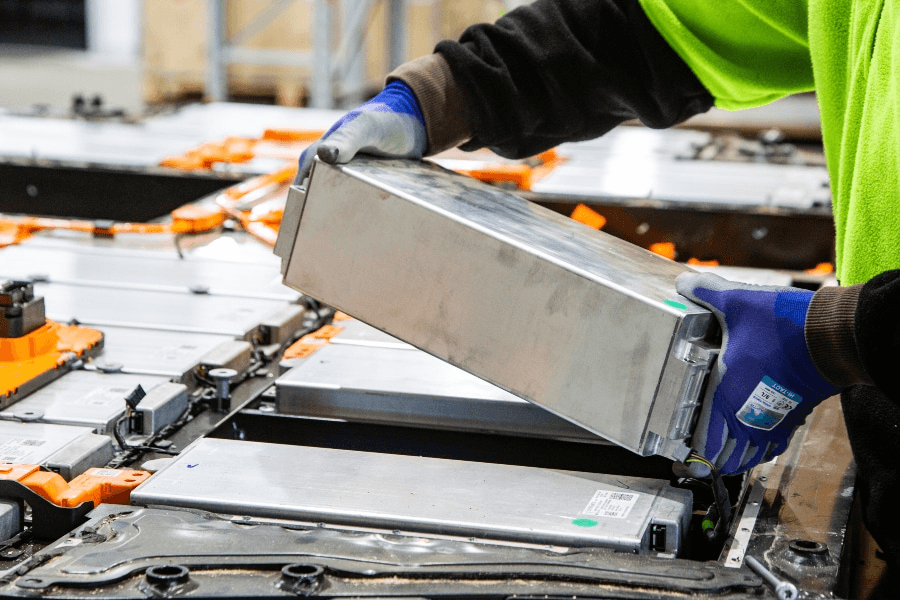 THE NEXT LIFE STARTS WITH UNDERSTANDING.
01 / RESEARCH AREAS
Six connected areas of investigation, guided by the condition and safety of retired batteries.
Understanding how battery condition changes over its first life, and what remains at retirement.
Looking beyond overall pack performance to reveal the differences between cells and modules.
Researching early electrical signatures of internal faults in batteries with different ageing histories.
Connecting health indicators with the electrical and thermal risks relevant to a battery’s next application.
Building interpretable representations of battery behaviour to support diagnosis and investigation.
Exploring how battery data can become useful evidence for safer downstream decisions.
02 / RESEARCH PIPELINE
A connected research framework. Each stage adds understanding; validation and uncertainty remain central throughout.
Conceptual research pipeline — not a claim of a validated commercial system.
03 / PUBLICATIONS & PROJECTS
Research outputs coming soon.
Publications and project updates will be added when they are ready to share.
Discuss a research collaborationA BETTER NEXT LIFE